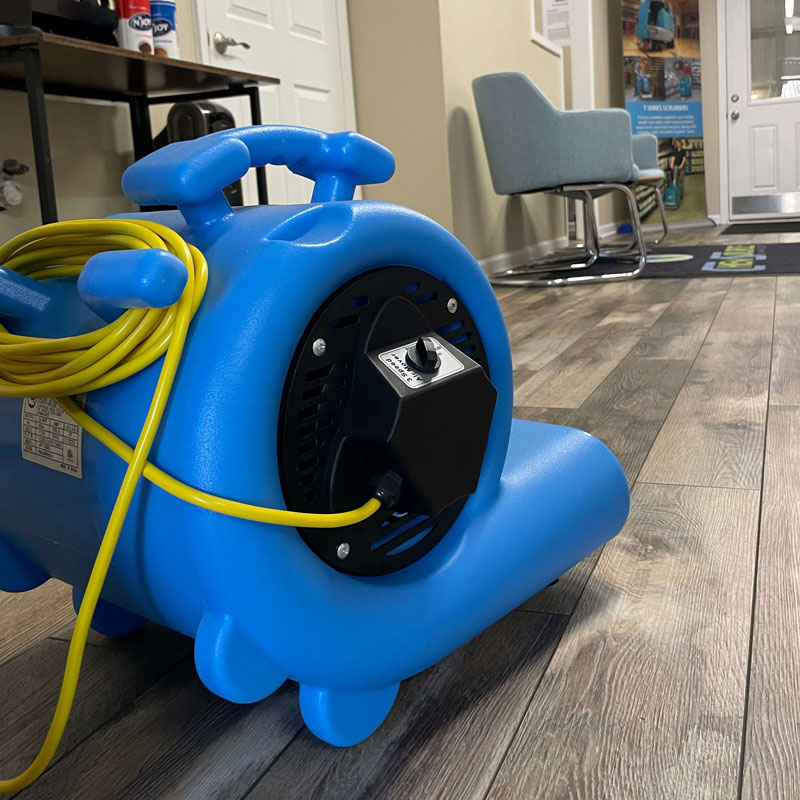
The commercial air mover is a powerful device designed to speed up the drying process of carpets, floors, walls, and more. This article will provide an in-depth understanding of commercial air movers, their optimal use, best practices, and the undeniable benefits they bring to cleaning operations.
Table of contents
Introduction to Commercial Air Movers
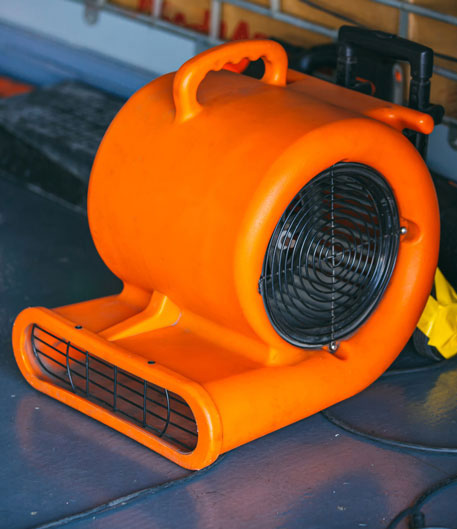
Commercial air movers are high-powered fans that significantly reduce drying times for wet surfaces. Unlike standard fans, these robust units are engineered to produce a high volume of airflow, allowing them to quickly dry areas affected by spills, leaks, or cleaning processes. Available in various sizes and airflow capacities, air movers are indispensable in water damage restoration, janitorial services, and large-scale commercial cleaning tasks.
Exploring the Types of Air Movers and Their Applications
Commercial air movers are not one-size-fits-all; they come in various designs and capacities to suit different drying and ventilation needs. Understanding the differences between these types can help cleaning professionals select the right air mover for specific situations, optimizing their cleaning and restoration efforts. Here’s a closer look at the different types of commercial air movers and their ideal applications.
Centrifugal Air Movers
Centrifugal air movers are known for their high-pressure airflow, making them ideal for drying dense materials and reaching into tight spaces. They feature a more compact design with a snout-like outlet, directing airflow more precisely.
Best Uses: Water damage restoration, especially for drying under cabinets, in closets, or any confined space where targeted airflow is necessary. They are also effective in drying the padding underneath carpets.
Axial Air Movers
Axial air movers produce a higher volume of air at a lower pressure compared to centrifugal models, making them suitable for drying larger open areas. They are often preferred for their efficiency in moving large volumes of air across surfaces.
Best Uses: Drying large floor areas, walls, or whole rooms quickly after cleaning or flood damage. They are also ideal for improving air circulation in spacious commercial settings, like warehouses or large office spaces.
Compact Air Movers
Compact air movers are smaller, lightweight, and highly portable, designed for small-scale or spot drying tasks. Despite their size, they can be quite powerful and are perfect for targeting specific areas.
Best Uses: Spot drying in hard-to-reach areas, such as closets, under counters, and inside cabinets. They are also handy for quick drying of spills or after spot cleaning carpets and upholstery.
Low-Profile Air Movers
Low-profile air movers have a slim design that allows them to fit into tighter spaces and operate at floor level, making them excellent for drying floors efficiently. Their design often allows for stacking, which saves space when not in use or during transport.
Best Uses: Drying floors in commercial buildings, gyms, or schools where space may be limited and pedestrian traffic is a concern. Their design minimizes tripping hazards and allows areas to remain accessible while drying
Specialty Air Movers
Specialty air movers are designed for specific applications that require unique airflow patterns or additional functions. This category includes models with built-in heaters, those designed for drying ceiling cavities, or inflatable blowers.
Best Uses: Situations requiring not just air movement but also heat to expedite drying, such as in drying paint or adhesives quickly. Inflatable blowers are used for advertising inflatables or recreational structures.
Choosing the Right Air Mover

Selecting the right type of air mover depends on several factors, including the size of the area to be dried, the type of materials involved, access to power sources, and the need for portability. Professionals should consider:
- The extent and type of water damage or cleaning requirement.
- The specific materials that need drying, such as carpet, hardwood, concrete, or drywall.
- The layout of the space, including the availability of power outlets and the need to minimize disruption in commercial areas.
Incorporating a variety of air movers into a commercial cleaning or restoration operation can provide the flexibility to tackle any job efficiently. By understanding the unique benefits of each type, professionals can ensure they are equipped to provide the best possible service under any circumstances, enhancing their ability to quickly and effectively manage cleaning and restoration projects.
Best Practices for Air Mover Use
1. Strategic Placement: Position air movers at a 45-degree angle towards the wet area to maximize airflow coverage. For drying carpets or floors, space units evenly around the room to ensure consistent drying.
2. Daisy Chaining: Many commercial air movers feature built-in outlets allowing for daisy chaining, or connecting multiple units in a series. This setup maximizes drying power without overloading electrical circuits.
3. Safety Precautions: Always ensure cords are securely taped down to prevent tripping hazards. Moreover, regularly inspect devices for any signs of wear and tear to maintain operational safety.
4. Room Ventilation: Whenever possible, open windows or use additional fans to improve air circulation, enhancing the drying process further.5. Regular Maintenance: Clean air movers after each use, focusing on the fan blades and air intake vents to ensure optimal performance and longevity.
Common Applications
- Water Damage Restoration: In the aftermath of floods or leaks, air movers speed up the drying of walls, carpets, and furniture, minimizing water damage and the risk of mold growth.
- carpet Cleaning: After deep cleaning, air movers drastically reduce carpet drying times, allowing spaces to be used more quickly.
- Painting and Renovations: Speed up the drying of paint, plaster, or concrete in renovation projects, ensuring project timelines are met.
Cooling and Ventilation: Beyond drying, air movers can improve air circulation in poorly ventilated areas, enhancing worker comfort.
Benefits of Using Commercial Air Movers

- Efficiency: By accelerating drying times, air movers significantly reduce the turnaround time for cleaning projects, allowing businesses to resume normal operations faster.
- Prevent Mold and Mildew: Quick drying helps prevent the growth of mold and mildew, ensuring a healthier environment.
- Versatility: With attachments and features like variable speed controls and multiple positioning options, air movers can be adapted to a wide range of tasks.
- Durability: Designed for commercial use, these units are built to withstand the rigors of daily use in tough environments.
We hope that we’ve provided a useful list of information for using a commercial air mover. It can be difficult for even seasoned pros to remember everything to think of so we hope we’ve been able to help you on your purchasing journey!
Remember, at Chemsource Equipment Direct we have seasoned pros with decades of cleaning industry experience to help you with any questions or even our best recommended practices. Contact us here or call us at: 336-515-9990. We’d love to hear from you!